Showing posts with label Children's Health. Show all posts

Children's Health: Thumb Sucking Can Cause Severe Tonsillitis


It is a common habit by most infants and kids to suck their thumb during sleep or just in any time of the day. Thumb sucking can cause severe tonsillitis which is a painful condition. This bad habit can also cause multiple complications if not stopped at the proper time.

Tonsillitis (pharyngotonsollitis) is an inflammation of the tonsils that are caused by viral or bacterial infection. Too much thumb sucking can inflict bacteria to the throat area which can result to inflammation.

Symptoms of tonsillitis

  • Swollen tonsils
  • White or yellow patches on the tonsils
  • Swollen, tender and stiff neck
  • Bad breath
  • Sore throat
  • Painful swallowing
  • Headache
  • Sore eyes
  • Cough
  • Body aches
  • Otalgia
  • Nasal Congestion
  • Chills
  • Fever
Acute tonsillitis is caused by both bacteria and viruses and fever is its common symptom. The surface of the tonsil becomes reddish and has white coating. Lymph nodes in the neck may also be swollen.

The most common treatment for tonsillitis is an antibacterial medication. Antibiotics can help eliminates bacterias that caused the tonsils to be swollen. Pain-relief, anti-inflammatory drugs can help treat the infection. While paracetamol and ibuprofen can help treat fever which is a normal body reaction when bacterial infection occurs.

Aside from thumb sucking, other causes includes drinking cold water or ice cream, gonorrhea, cold viruses and other viruses such as epstein-barr and the HIV.

If your child have a thumb sucking habit and often times your kid suffer from this type of disease, you have to do something fast on how to make this habit go away. It is recommended that you seek medical help from an expert pediatrician about your child's tonsillitis case and ask some advice on how to stop thumb sucking habit.
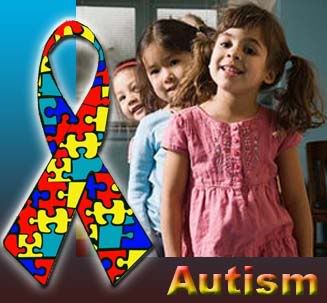
Autism In Children - Signs And Symptoms


Autism in children needs to be recognized as soon as possible to apply appropriate care and support for the child. Defining the signs and symptoms of autism can be complicated which should apply immediate care and treatment. What is autism and what are its causes, signs and symptoms?

Autism is a disorder of the neural development that commonly characterized by impaired social interaction, communication and a very uncommon behavior. Signs of autism begins before the age of three that affects the child's capability of memory processing, which are caused by the altered nerve cells. The main cause is still unknown but experts believe that a particular damage to the brain in prenatal period is one of the main cause of autism. Other factors includes the following.

  • Family history (genes)autism in children
  • Metabolic disorders
  • Immune intolerance
  • Perinatal anoxia (stress)
  • Viral agents
Once these problems occur, the distinctive pattern of autism becomes more evident during the process of growth. Today, experts suggests that impairments during a child's development is considered to be under the diagnosis of autism spectrum disorders. Several factors are considered when diagnosing a suspected autism child which includes cognitive level, clinical traits, other medical conditions and the severity of autism symptoms.

Various autistic associations have suggests that one in a hundred people is autistic. The disease may be caused by gene factors that can be present from the time of a child's birth. This not necessarily mean that any emotional and mental development are apparent for months or even years time.

Any mental ability varies from different children and any learning difficulty doesn't mean that the child has higher probability to be autistic. Other cases suggests that other children who have average mental capacity can be also a victim of this disease. Any mild symptoms of odd behaviors and development disorders can be concluded as transient and a normal mental process.

Once a child is diagnosed to be autistic, specific interventions are needed immediately. Child with special needs must be treated accordingly before the impairment of mental development had gone to worst. This can help the child to learn different proper behaviors and may improve communication skills.

Autism is a mental disorder that leads to many capability disorders and abnormal behaviors. Early intervention by health experts and by parents as well, can greatly help improve long-term benefits for the child. If you suspect that your child is different from the others, you may consult your local health centers for immediate diagnosis and child care.

How To Prevent Flat Head In Infants?


You probably have seen adults who have noticeably flat head, either on the side or at the back. Having a flat head is not a disease but rather a result of improper positional sleeping in their infancy. Lets get more deeper into this condition and how to simply avoid developing a flat head for your baby.

Flat Head or medically known as positional plagiocephaly, only occurs in infants due to its soft skull. Newborn babies are prone to this type of condition by sleeping or leaning more time on a particular side or spot on your baby's head. The soft skull will be mold slightly, which forms a "flat" appearance and may also affects hair growth that results to bald spot on your baby's head.

flat head
The number of flat head cases are increasing by each day and this has brought attention to most government organizations to orient parents about this condition. The prevention is very simple and won't need any equipment to be successful. All it needs is proper care and guidance to your child.

The more you take good care of your child, the more it avoid having a flat head. Some of the causes why parents lack awareness about this condition are the following:
  • busier lifestyle
  • depending solely on the nanny
Spending more time in bed, carriers or seats with the head resting back, it will likely develop a flat head on that spot of the head. Every infants are prone to flat head but premature infants do have higher risks as their skulls are much more less developed and softer. Premature infants also spends the majority of their time lying flat until they develop strength. 

If you notice that your infant is starting to develop a flat spot in the head, you need to vary the baby's sleeping position from lying flat, to side to side to reverse the effects of the flattened skull. You may switch the crib positions alternately which also release the pressure on one side of your baby's head. A flat head can still be corrected within its first year but it's unlikely to be molded back beyond the first year as the baby's skull is fully developed and strong.

Also, spend more time carrying your baby out of its crib or bed. Instead of leaving your baby in a crib, try to place the baby on the mothers belly. This exercise will improve strength in neck and back muscles.

If you think your baby already have a flat head, you may consult your pediatrician as immediately as possible for any medical recommendations or treatments. 

Information About Explosive Children


Do you have a fourth grader that is difficult to deal with? Or perhaps a sixth grader that presents behaviors like tantrums, rage, meltdowns and aggressiveness? If yes, then you are dealing with an explosive child.

An explosive child is not considered a psychiatric disorder, but rather a behavioral disorder. It is said that a child that possesses this distinct attitudes have limited abilities to adapt to various life circumstances, resulting to get easily irritated, discouraged and frustrated. 

Most children are used to get pleased by parents and guardians, but if the child gets too comfortable and does not like to be told "no", then you have a big problem. Aggressiveness in children are often presented with very low threshold for stress and lacks coping skills. Because of this, uncontrolled emotion and irrational reasoning are the usual responds of the child when they are faced with adversities.

how to handle explosive childAs a parent, you need to understand that the explosive behavior of your child is not caused by poor parenting but rather than a few factors in life. This includes emotional trauma, pregnancy difficulties, exposure in harmful chemicals such as cigarette smoke, dietary deficiency, injuries, severe stress and other experiences that are considered harmful in both emotional and mental stature of the child. In most studies however, explosive behavior may leads to ADHD which is a more serious mental condition.

Most often, children with explosive behavior are avoided by other kids and considered as bullies. They think that they are always right and are unable to compromise. So how to handle explosive child?

There are various approach which a parent can utilize to help their child. Behavioral intervention is the most prescribed therapy by child psychologists because medicines are not that effective especially if the child has no other symptoms of mental disease. 

Another factor that can help is the proper understanding between the parent or guardian and the child. All adults must precisely know how to deal with the child's unique difficulties including every factors that contribute to child's behavior. However, psychologists highly recommends a mental health consultation for your child for proper diagnosis and to identify the causes of his/her explosiveness as well as the appropriate treatment options.

Baby Health Care Tips


Baby
Children health is a very sensitive issue especially for the mothers. Mothers want their children to be healthy. For good health it is necessary to eat healthy food and participate in physical activities like playing games. But majority of children food is junk food that is harmful for their health. The problem of gaining excessive weight is also getting very common. To keep your children healthy, you must try our tips.


Vegetables and fruits:
Children are very moody and always want to eat their favorite food whether it is good or bad for their health. To have complete set of required nutrients,they should eat all types of fruits and vegetables. Seasonal fruits and vegetables are good for their health.
Water and milk:
Water and milk both are very good liquids for their health. It is healthy for children to drink 6 to 8 glasses of water daily. To drink sufficient amount of water is helpful to clean the blood and to avoid dehydration. Milk is very useful for children as its intake make their bones stronger and provide calcium and proteins to the body. If your child doesn’t like milk then you should give them flavored milk. There is a misconception about flavored milk that it is not as nutritious as milk. It is said that something is better than nothing, so if your child likes flavored milk then it is better to give him flavored milk than none at all. Dairy products are also good for children like yogurt. It is advised to drink 2 glass of milk daily. Fruit Juices are also good for the kids. But milk with full fat can be harmful because it can cause heart diseases.
Eating Habits:
It is important to follow a proper time table for eating the meals. Overeating is harmful for the children and can cause fatigue and obesity.
Playing Habits:
It is said that children who play different games also have good eating habits. Children spend most of the time while watching T.V or playing games on computers. With all these activities to play different games like cricket, basket ball, swimming etc is very healthy for the children. It keeps them healthy and active.


Dealing With Hyperacidity In Children

Hyperacidity in children creates big confusion between many stomach and bowel movement conditions. Diarrhea, stomach pain, constipation and many others are often misdiagnosed or linked in having hyperacidity in children. Since children hardly identifies the exact symptoms they are experiencing, this leads hyperacidity getting mistreated.

What are the causes of hyperacidity? Stress can help release too much acid in the stomach which causes hyperacidity. Foods that are spicy and acidic can all cause this condition. Too much alcohol can certainly increase acid in the stomach which can also result to hyperacidity. However, food intake and stress are both the highest contributor of this disease in children.

Hyperacidity in children makes them extremely uncomfortable and inconvenient every time this condition attacks. In adults, antacids can greatly treat this condition but there are no available antacids for children to date. So how do you deal with hyperacidity in your child?

how to deal hyperacidity in children naturallyFirst, you have to determine if your child is really suffering from hyperacidity and not from other diseases. Consult a pediatrician or gastroenterologist to get exact diagnosis of your child. Once determined as hyperacidity, it is wise to change your child's diet and avoid the foods that can cause this disease.

Next is to prevent stress as much as possible. Identify the things that triggers stress to your child. You need to carefully make adjustments in your child's daily routine to avoid the things that you think are probable causes of stress.

Drinking a lot of liquid can greatly help prevent hyperacidity. Never serve them with iced tea or any sodas but instead give them clean tap water for their meal. Also, children are required to have enough rest which can also aid the uncomfortable feeling of hyperacidity.

These home remedies are very easy to apply to your child. You have to explain to them thoroughly about their stomach condition so that they can understand how to take care of health by themselves. By doing this, you are giving your big love to your children by giving them proper health care and important information about their health conditions.

What Is Sensory Processing Disorder?


Is your child showing different or unusual behaviors such as sensitivity to light, sound, difficulty in talking or responding to sensory information? If so, your child might be suffering from a condition called Sensory Processing Disorder.

If your child has difficulties in the said departments, you need to see a specialist right away to properly identify the condition as well as its causes and possible treatments. Most often, SPD is misdiagnosed as autism disorder due to the confusion in symptoms for sensory issues. So what is sensory processing disorder?

Sensory Processing Disorder - Definition, causes and treatments


sensory processing disorderSPD is a neurological disorder which involves difficulties in organizing sensory signals into its normal responses. Problems with motor skills and other abilities needed for school activities are often associated with SPD. Sensitivities in body functions is another symptoms of SPD in children. The irritation to various environmental factors which hinders the control of sensory capabilities are the signs of SPD. 
This condition can affect children in various ways. It can be over or under responsive sensations or reactions which depends on case to case basis. Sensory factors like extreme heat, cold or pain are some of the key elements in diagnosis SPD.

An SPD sufferer could experience a single or multiple sensory defects, either way, the child will have emotional and physical dilemma. Without the senses working properly, it can affect the child's over all development as the senses are the primary elements in child's growth. This includes everyday tasks and their social interactions, which if not treated will highly result in behavioral disorders, motor clumsiness, childhood anxiety and distress. 

Sensory Processing Disorder is not yet fully researched on why it occurs. The causes are still unknown why some children suffers from neuro developmental disorders. There are some studies which suggests this condition to be a hereditary disorder, some links it to prenatal issues.

The effects of SPD are commonly impacts the emotional being of the child. The sufferer is often isolated or uncooperative, unable to make friends and interact freely. Clumsiness and disruptive behavior are also observed. 

After an accurate diagnosis of SPD, a treatment program is quickly applied through Occupational Therapy with a Sensory Integration approach. Treatment usually done in a place abundant in sensory sources to help the child to be constantly challenged which will show his progress. The therapy will help develop the child's sensory processing difficulties and also for the parents to understand the nature of SPD.