Showing posts with label Eye Health. Show all posts

Information About Lasik Eye Surgery

LASIK or Laser-Assisted in Situ Keratomileusis is a refractive type of surgery designed for correcting eye disorders such as myopia, hyperopia and astigmatism. Many ophthalmologists recommend LASIK treatment because it uses laser technology which provides faster recovery for patients and a viable alternative to wearing glasses or contact lenses.

This method of eye treatment was first developed in the 1950's by Spanish ophthalmologist Jose Barraquer. He developed the first microkeratome as well as the technique used to cut thin flaps around the cornea and how it can be reshaped. Doctor Barraquer called this medical procedure as keratomileusis.

After Dr. Barraquer's great contribution to eye treatment research, a more technical advancements are developed in USSR around the 1970's which was headed by Svytoslay Fyodorov. He developed radial keratotomy (RK) procedure and in 1983, photorefractive keratectomy (PRK) was introduced by Dr. Steven Trokel.

The actual refractive laser eye surgery began in 1980 and was based on Rangaswamy Srinivasan's research work. He discovered that an ultraviolet excimer laser could achieve precise cutting in the living tissue without thermal damage to the surrounding area. This method was first introduced by Dr. Trokel for corrective measure in eye treatment.

Since then, LASIK technique was successfully applied in many countries and was later approved by the US government in 1989. Laser helps reshape or change the surface of the cornea, this was called PRK.

If you are suggested to undergo LASIK treatment, you have to stop wearing contact lenses for 5 up to 21 days before surgery. Ophthalmologist will examine your corneas using pachymeter to assess its thickness while a topographer produce a topographic map of the cornea. This method can also detect astigmatism and other cornea irregularities.

From this simple examinations, the surgeon studies the amount of corneal tissue that has to be removed during the operation as well as its precise location. Patients are required to take antibiotics before operation to lessen the risks of any types of infections after the procedure.
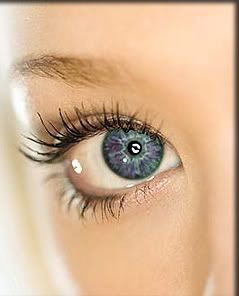
LASIK eye treatmentLASIK treatment are performed with the patient fully awake and mobile. Eye drops or Valium are given as a mild sedatives. The first procedure is to create a flap of corneal tissue then remodels the cornea underneath the flap using laser technology. Repositioning the flap will be the final procedure of LASIK treatment.

Most patients who have undergone this type of eye treatment are mostly satisfied with the results. Most cases shows great eye vision improvement and others achieve full eye vision correction.

Today, LASIK eye surgery is now mostly available worldwide. Ophthalmologists highly recommends this technique because of its success rate in correcting eye problems as well as its fast recovery benefits. If you want your eyes to be examined by an eye doctor, visit your local ophthalmologist today which can help you with your eye problem through correct diagnosis and suitable treatment options.
Eye Problem: Astigmatism

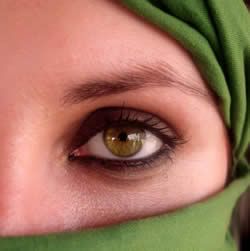
Astigmatism is an optical disorder in which vision is blurred because the eyes are incapable to focus an object into a clear-sharp image on the retina. This condition may be caused by irregular or toric curvature of the cornea or the eye lens itself.

Most people experience different types of eye problems in their lifetime. Astigmatism is one of the most common vision problem that may occur in both kids and adults and are mainly caused by everyday activities that stress our eyes.

It is good to know that most cases of astigmatism are negligible and do not cause significant eye problems. Others don't even bother to consult an eye expert and even skip treatment. However, astigmatism can be treated and it is highly recommended that you seek medical help once you notice any vision problems or eye discomfort.

Astigmatism occurs when you see a blur or shadowy images when looking at a photo or reading letters. Others may experience difficulty in driving cars at night, getting a severe discomfort working under certain light conditions.

Astigmatic optics ofan astigmatic eye our eyes are usually treated through spectacles, hard contact lenses, cylindrical lens or refractive surgery for those who has severe astigmatism condition. Fortunately, you can do something on how to avoid and prevent astigmatism before it gets worse. Let me state some natural ways how to take care of your eyes and prevent astigmatism in the process.

First thing to do is to have a regular visit to your optometrist, approximately 3 times a year depending on your eye condition. Remember that astigmatism can change in time, thus making your regular check up very valuable for your eye care. Optometrist can correct your vision problems with the right treatments stated earlier, plus it may help diagnose other eye problems that you may not aware of.

Ask your doctor how to take care of your eyes properly. Anti-glare glasses are now available to protect your eyes from severe radiation coming from sunlight and computer, ask them the best eyeglasses or contact lenses for your eyes. Never hesitate to ask anything that pertains to your vision. I am sure that your doctor will gladly recommend the best treatments possible.

Enough sleep at night helps rest our eyes from the whole day work. It replenish the eyes and re-energize to support you with the upcoming day ahead. Plus, keep your eyes hydrated when you are outdoors. Eye drops can help suit your eyes from different stress and helps prevents allergies and redness.

Lastly, keep a healthy diet that contains vitamin A, C and E which all promotes healthy eyes. This includes nuts, berries, oranges, carrots, potatoes and other fruits and vegetables. This helps prevents macular degeneration, cataracts and lessen the risk of astigmatism.

Remember that lifestyle is a great factor for having astigmatism. Live a healthy life and you will surely get a positive results not only for your eyes, but also for the whole body!

What is Esotropia?

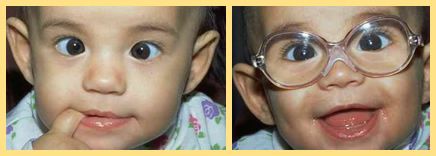
Esotropia is a form of strabismus (squint) eye condition in which one or both eyes turns inward. This eye condition is constantly present in most cases but can occur intermittently with a cross-eyed features. I wrote a similar but different eye condition called Lazy Eye which is amblyopia, an eye disease that results to the reduction of eye vision.
There are four known types of Esotropia - concomitant, accomodative, congenital and incomitant esotropia. Concomitan esotropia are classified in two types - constant and intermittent esotropia. Constant esotropia is a "constant" esotropic eye condition with or without glasses. In contrast, intermittent esotropia is not always present. 

cross-eyed - esotropia
image credit: www.pedseye.com
Accommodative Esotropia occurs in patients with moderate amounts of hyperopia. Hyperope, the one responsible for eye focus, converges the eyes which is associated with the activation of accommodation reflex.
Congenital esotropia meanwhile is a sub-type of primary concomitant esotropia. Commonly called as infantile esotropia, it is a constant esotropia of large and consistent size which onset between birth and six months old. Cross eyed look involves the use of the right eye to look to the left and the left eye to look to the right. 
The last type - Incomitant Esotropia is an eye condition that differs in size with direction of gaze. Normally occurring in both childhood and adulthood. This condition usually arises as a result of neurological, mechanical or myogenic disorders.

How to treat esotropia? 

Esotropia is a condition that can be diagnosed through its classification and origin. In most cases, wearing of eye glasses are most prescribed. If there are any underlying condition, it must be diagnosed and treated immediately to prevent eye complications.
Use of occlusion to deal any present amblyopia which can result to alternation. Orthoptic exercises are also encourage to restore binocularity. Other possible solutions are prismatic correction, use of botulinum toxin and ocular eye muscle surgery.
In any cases, esotropia must be treated as soon as possible to prevent worse eye condition. Visit your eye doctor today for much more information about esotropia.

What Is Eye Stroke?

Have you heard of eye stroke? Stroke in general refers to the interruption of blood and oxygen supply to the brain which causes the veins to swell and soon leads to stroke. Eye stroke on the other hand works exactly the same but only occurs in our eyes. Once you suffer from vision problems, you might be suffering from the symptoms of eye stroke.

Eye Stroke is a condition where a blockage is formed in the eye's retinal veins which creates pressure which then leads to hemorrhage of the vein or smaller capillaries. The fluid will leak into the retina which causes swelling and vision problems.

For our eyes to function well, its sensitive tissues just like the retina lines and optic nerve all needs blood for nourishment to properly perform its duties. Any interruption will lead to eye stroke.

In other words, retinal tissues without enough blood supply will most likely get damaged. Eye stroke is also referred in medical terms as Retinal Artery Occlusion. Since the eye's retina is the sensorineural layer, it is mainly responsible for vision capabilities. Once an eye stroke occurs, the vision will be highly affected which can be partial (unilateral or bilateral) or complete loss of vision.

eye strokeCauses of eye stroke comes from other underlying diseases. A heart disorder such as Embolus, can cause stroke in the eye. Embolus is caused by too much cholesterol that travels through the bloodstream that can cause vein blockage. When it hits the eyes, it can trigger retinal artery occlusion.

Another cause is atherosclerosis which is caused by fatty plaques in the artery wall. This plaques cause the arteries to narrow that sometimes worsens by embolus condition. Atherosclerosis is often associated with hypertension, hyperlipidemia and diabetes.

Another cause is the inflammation of the artery wall such as Vasculitis. Swelling of the wall may narrow the arteries and will highly increase the chances of blood clot formation. Other risk factors includes carotid artery disease, heart valve disease, IV drug use, raised intraocular pressure, hypertension, diabetes mellitus and arrhythmia.

Some of the treatment options for eye stroke includes laser surgery and steroid injections to help reduce the swelling on the retina. However, these treatments may not work for every patient. If you want to know more about this eye condition, visit your ophthalmologist today for proper diagnosis and treatment.

Information About Black Eye


You probably know what a black eye is and maybe some of you may already experienced it. I am quite familiar with black eye as I suffered it a couple of times when I was in high school playing basketball and shotokan, a type of karate sports. 

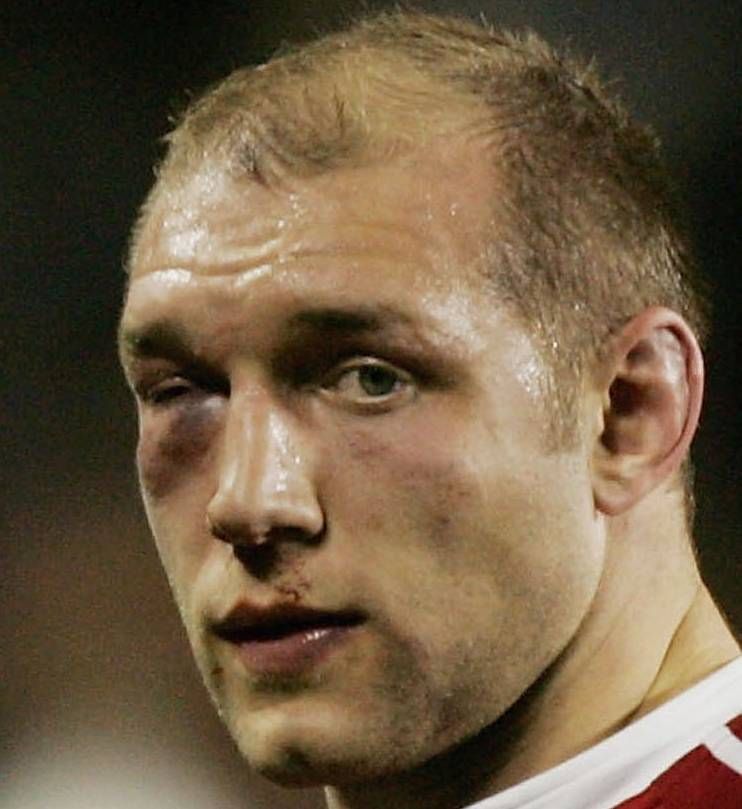
So what is black eye? Black Eye is a result of an injury or a heavy blow to the eye, face or head. It is caused by an accumulation of blood and other fluids around the eye. You often see cases of this condition in contact sports events such as mixed martial arts, kickboxing and boxing.


image credit: about.com
Most black eye cases are minor injuries and will go away within a few days. This includes discolored and swollen tissues around the eye without any injuries to the eye itself. But there are other cases like severe injuries to the head, may cause an underlying eye damage or even serious conditions.

The skin around the eye is swollen, sometimes covering the entire eye. The affected skin is filled with fluids and fats which are accumulated due to the injury. Swelling of the facial skin is the first sign of black eye, especially if the injured part is the face, not the eye. Depending on location of the blow, a single or both eyes could well be affected. 
As the condition heals, the swelling of the skin and the redness of the eye decreases and the bruise fades away slowly until it turns back into its normal form.

Causes of black eye
Aside from an injury and a hard blow to the head, there are other causes of black eye that are unknown to many people. A blow to the nose can also cause black eye as the swelling from the nasal injury releases fluid to accumulate in the eyelids area. Below are other causes of black eye.
face surgery (facelifts, jaw surgery, nose surgery, etc)
head injuries (basilar skull fracture)
cellulitis
angioedema (swelling around the eyes)
dental infections
insect bites
allergic reactions
Treatments for black eye

black eyeMinor black eye injuries go away naturally. But there are home remedies that you can do to fasten the healing process and decrease the swelling and pain. One common remedy is the application of ice to the affected area. Ice helps to effectively decrease the swelling and the discoloration of black eye. 

If you want conventional medical treatment, physicians will also recommend the application of ice and an immediate eye check up to look for nerve damage. Medications, rest and a mask to protect the eye and face.

Black eye complications

Black eye usually leads to serious eye diseases if not treated and diagnosed properly. Some of the complications includes hyphema, glaucoma, traumatic uveitis, retinal detachment, blurred vision and orbital floor fracture. 

Symptoms of blurred vision, floating spots in the eyes, frequent dizziness and headache could mean trouble. Once these signs are present, consult an eye specialist immediately for proper treatment. Never ignore these signs as your eye vision is at stake. 

Black eye prevention

Black eye can be prevented by simply avoiding activities that could endanger your head for different types of injuries. Consider the following tips:
wear eye and head protection equipments such as goggles, facial masks and head caps. Wear it at work or in any types of events such as sports.
check your home for possible injury prone areas such as your ceiling and stairs.
use and wear your seat belts while driving.
All these information can help you on the treatment and prevention of black eye. Remember that black eye is considered minor disease but prevention is still the best way to avoid any eye complications.